The State of Society

Nepal’s Struggle Amidst Splendor: Poverty and Inequality in the Himalayas

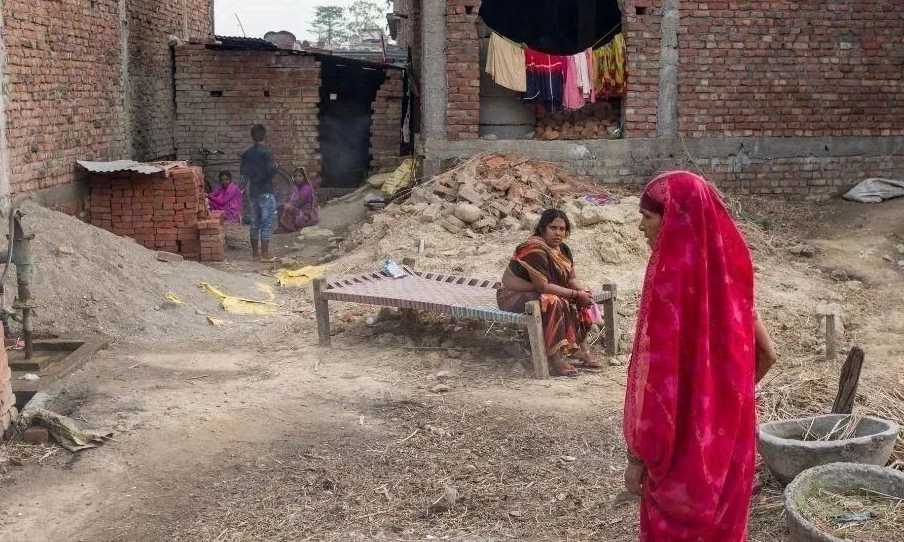
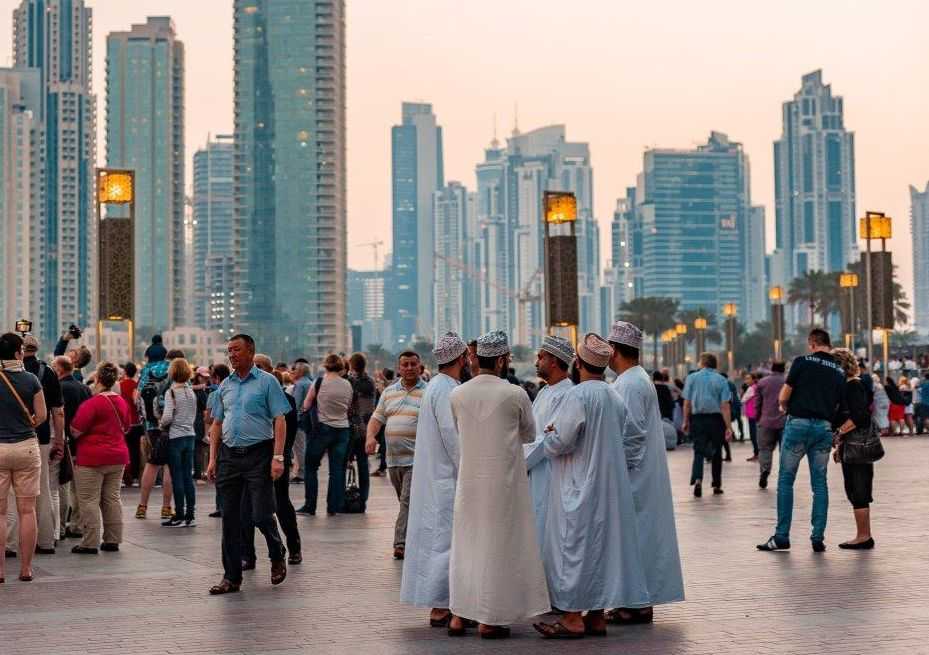
Nestled in the Himalayas, Nepal—once a South Asian power and birthplace of Buddhism—now grapples with stark poverty. Despite its rich cultural heritage, the country faces severe economic challenges, with a 2024 GDP per capita of $1,436 , leaving many households surviving on just $100 monthly. Over a quarter of its population lives below the poverty line, while rising living costs exacerbate daily hardships .

Greece Bans High Heels at Ancient Sites

Greece, a nation renowned for its rich historical heritage and ancient archaeological sites, has implemented a unique regulation that prohibits visitors from wearing high heels at these precious locations. This rule aims to safeguard the integrity of its invaluable ancient ruins, which attract millions of tourists worldwide each year.

Canada: Snow Walls and Polar Bear Plunges

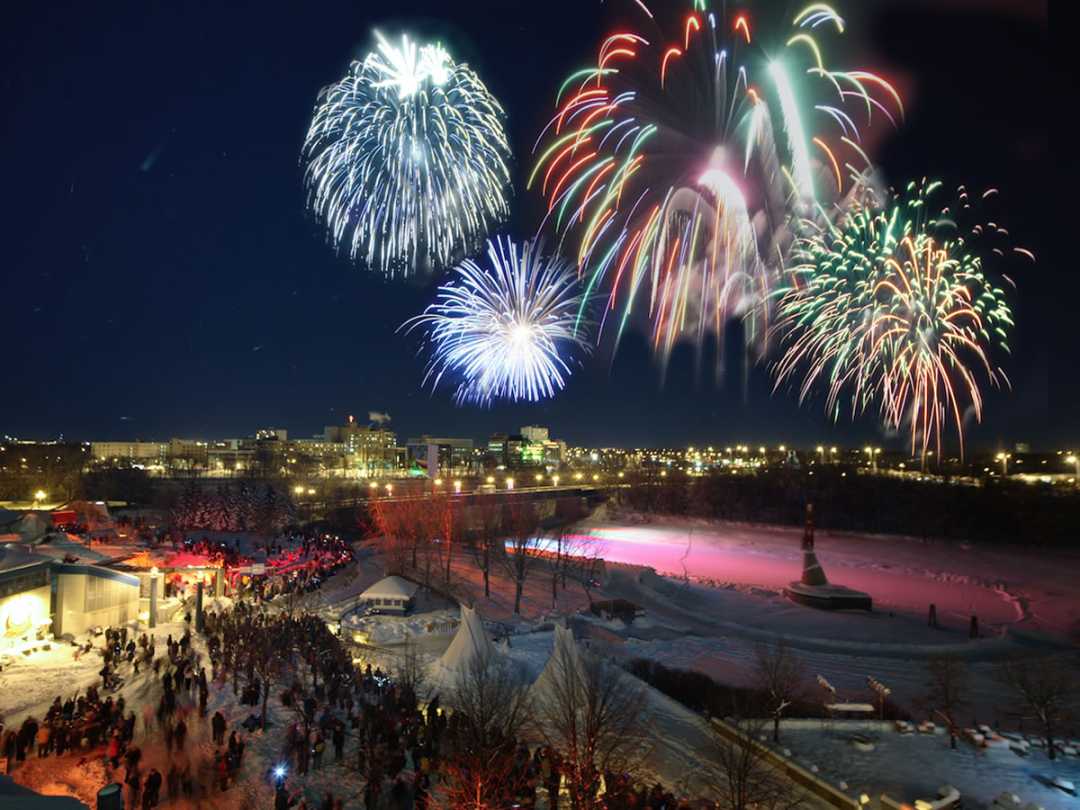
In Canada, where winter dominates the New Year’s landscape, snow isn’t just a backdrop—it’s a symbol of prosperity. As the new year approaches, Canadians build towering snow walls around their homes and craft elaborate snowmen, believing these icy fortifications ward off negative energies. This tradition harks back to indigenous beliefs that snow possesses cleansing properties, while the act of shaping it into barriers reflects a practical wintertime resilience.

The Philippines: Round Fruits and Polka-Dot Attire

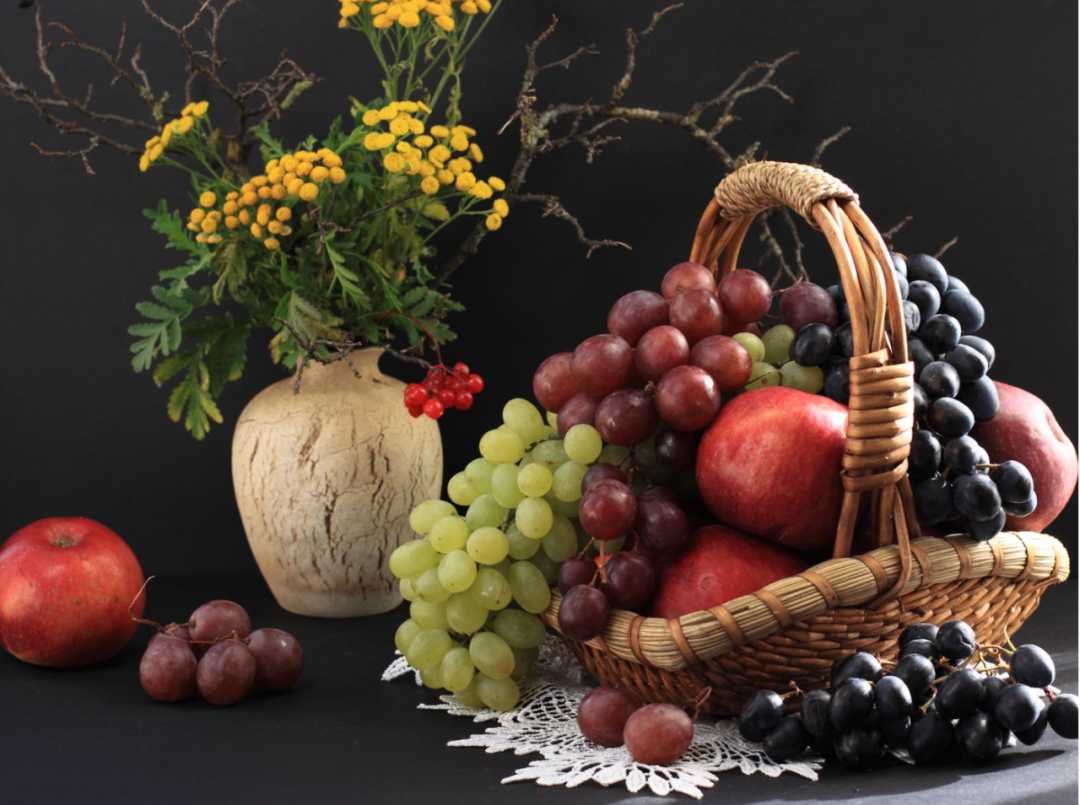
On New Year’s Eve, Filipino families adhere to a vibrant tradition centered on circular symbolism. A mandatory display of 12 round fruits—such as apples, grapes, and plums—takes center stage, each representing a month of the year. Shaped like coins, these fruits are believed to summon prosperity, with their roundness symbolizing the cyclical nature of good fortune and the hope for financial abundance.

Mexico: Festive Decor and Tamale Traditions

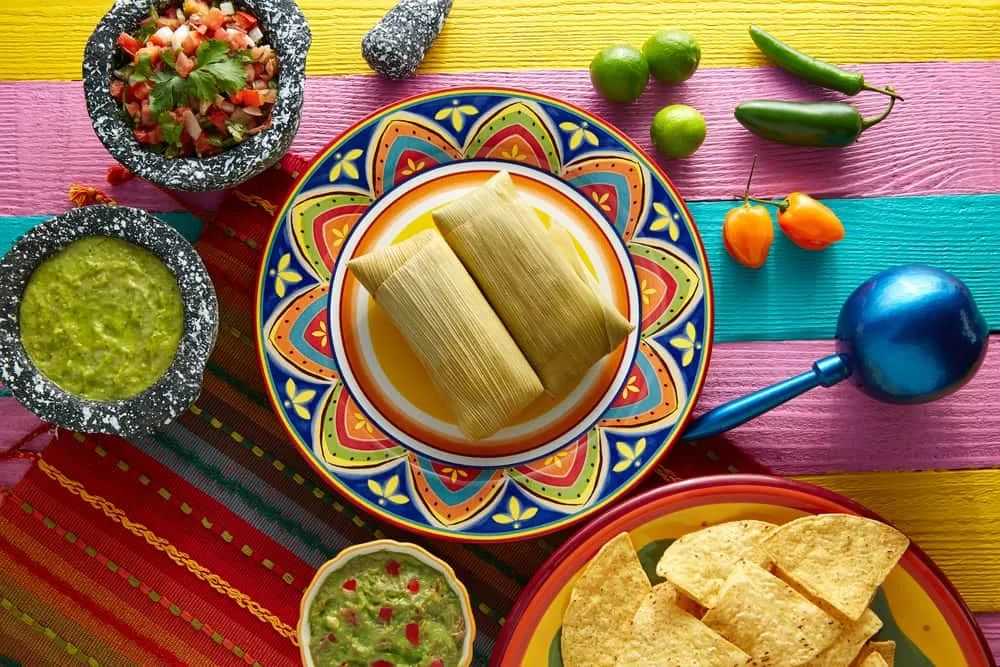
Mexican New Year celebrations blend vibrant symbolism with culinary heritage, creating a sensory experience of color, flavor, and renewal. Homes across the country transform into kaleidoscopic spaces, each hue carrying intentional meaning: red for love, yellow for career prosperity, and green for financial abundance. This decorative ritual, rooted in indigenous and Spanish traditions, turns living spaces into visual prayers for the year ahead.

Sweden's Renowned Parental Leave and Early Childhood Education System

Sweden continues to set a global benchmark for family-friendly policies, with its expansive parental leave and robust early childhood education framework. As outlined on sweden.se, operated by the Swedish Institute, parents in Sweden are entitled to 480 days of paid leave when a child is born or adopted. In two-parent households, this leave is split equally, with each parent eligible for 240 days of paid time off to care for their child. This policy emphasizes gender equality, encouraging both parents to actively participate in early childcare while maintaining financial security.